
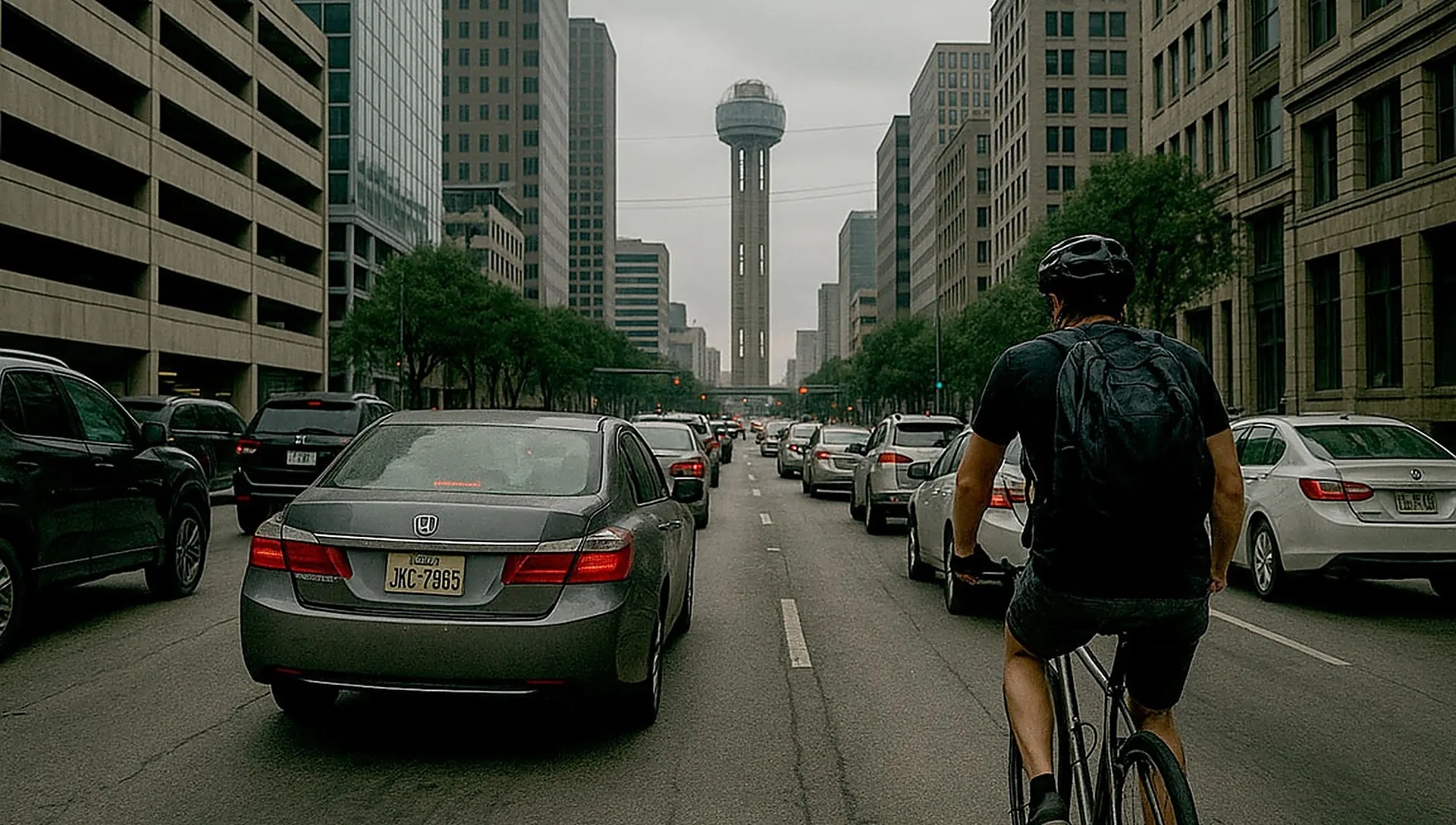
Representation built around your case
Get Lawyers Who Fight for Injured Cyclists
A Dallas bicycle accident claim should account for the rider’s path, the driver’s maneuver and the effect of the injury on work, mobility and everyday life.

01 · Individual case strategy
Your Cycling Injuries Get Personal Attention
Turning, passing and dooring collisions each call for a specific inquiry.
Genthe examines the movement, equipment and independent evidence while developing the medical and financial effects. A quick offer should not close the discussion before those issues are understood. The strategy follows the cyclist’s circumstances rather than a routine vehicle-only assessment.
Talk about my bicycle collision
02 · Attorney-led representation
Get Your Questions Answered by Your Attorney
You deserve advice that explains the evidence, not assumptions about cyclists.
Your lawyer reviews the rider’s account, insurer requests and proposed settlement documents. Paralegals support records and coordination while the attorney remains responsible for legal strategy. That gives you a place to discuss uncertainty about visibility, passing clearance or the effect of the collision on your recovery.
Meet the Genthe team
03 · Trial-ready advocacy
We Prepare for Trial to Fight Underpayment
A supported movement account strengthens the demand for recovery.
We connect the physical and witness evidence with documented treatment, restrictions and losses, preparing for litigation when needed. The willingness to present that case at trial gives settlement discussions more substance than an unsupported allegation that a cyclist was difficult to see.
Request my Dallas bicycle claim review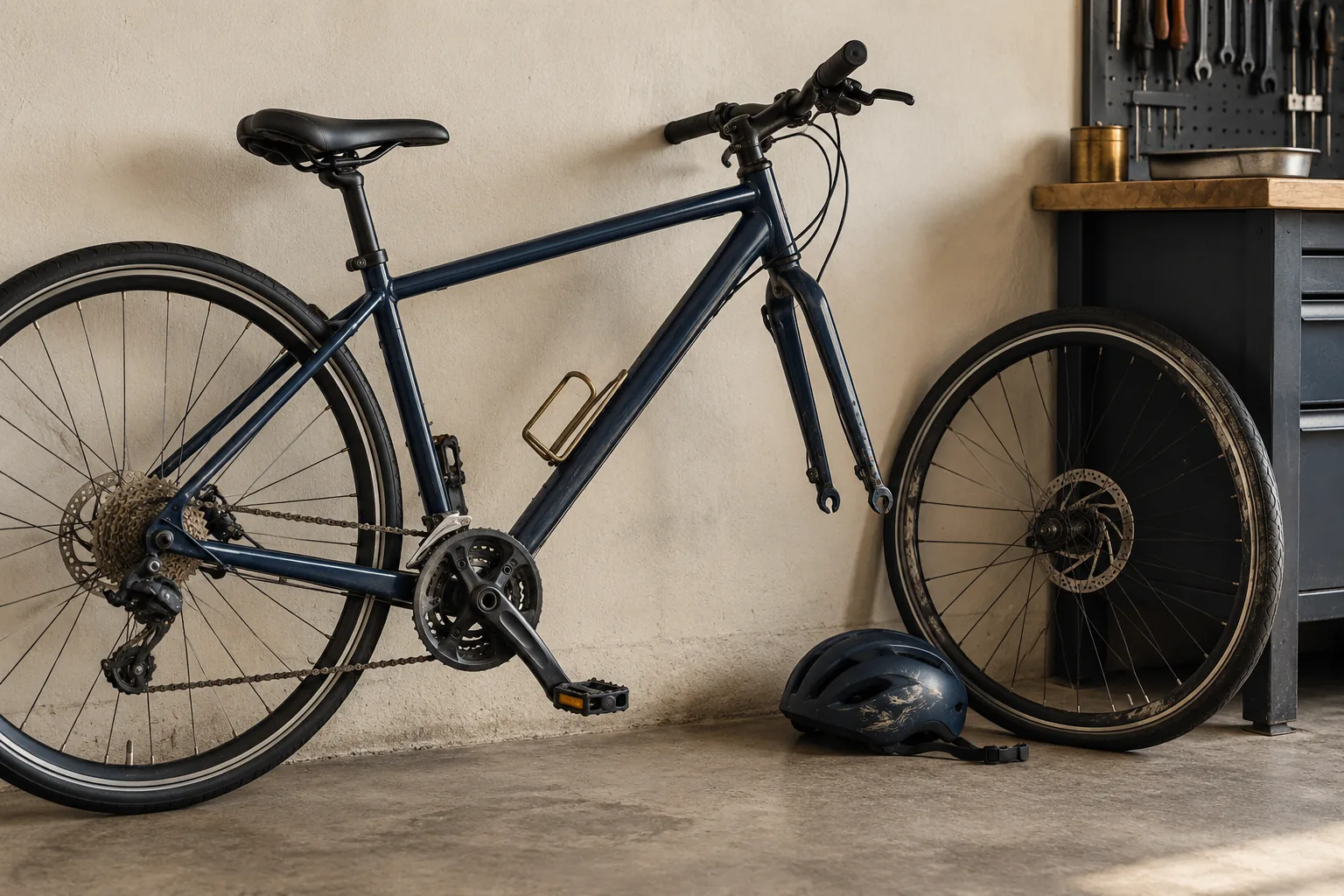
Your next step
Seek Full Compensation for Your Cycling Injuries
Jump to 12 questions and answers about this claim
Genthe’s Dallas bicycle accident review connects the disputed vehicle movement with the rider’s evidence and recovery. A bicycle collision can leave a rider unable to explain the impact while the bicycle, helmet and ride data are already being moved or repaired. The early file should connect the driver's approach with the rider's position, the contact damage and any independent account of what happened.
Fight for Full Payment After Cycling Injuries
Our intake team answers calls 24/7 and arranges attorney follow-up. The first consultation is free.
The question that shapes this case
Save Evidence That Supports Your Cycling Claim
A turning collision, an overtaking collision and a door opened into a rider’s path leave different evidence. The useful starting point is the movement immediately before contact, including what the rider can and cannot remember.
Turning across the bicycle
Match the vehicle’s approach and turn with the rider’s line of travel. Wide photographs and independent witnesses may explain positions that a close-up of the damaged wheel cannot.
Passing or rear contact
Preserve the bicycle, helmet and original ride file. A recording may establish time and route without measuring the precise passing clearance; distinguish those two uses.
A door or roadway condition
Identify the parked vehicle or exact defect and who controlled it. A dooring claim and a claim about public pavement involve different duties and potential defendants.
The rider’s recovery
Keep treatment, activity restrictions and changes to commuting or work. Equipment damage can help explain the collision, but the injury claim also needs evidence of its effect on the rider.
Support for the decision ahead
Demand Payment for More Than Bicycle Repairs
Fight Blame With Proof of Your Ride
A driver’s assumption about a cyclist is not a substitute for evidence. Genthe can compare the road position, available recordings, witness accounts and physical damage so the claim addresses the actual movement and circumstances.
Seek Compensation for Your Full Recovery
Treatment, time off work and difficulty returning to ordinary activities deserve their own documentation. We review those effects alongside the collision evidence and explain the questions an injury settlement needs to answer.
Start with the information you have. A complete file is not required to enquire.
Discuss My Bicycle InjuryA practical tool for your next step
Gather Proof for Your Free Cycling Review
A bike-lane diagram cannot show every driveway crossing, parked vehicle or path used during a collision. Your own route description helps connect general Dallas cycling context with the specific movement.
Trace Your Riding Line
Mark where you were riding before contact, the intended direction and any driveway or turning vehicle. Keep the original ride recording if one exists.
Keep Equipment Details
Save existing photographs of the bicycle, impact points, lights, clothing and helmet. Note any repair or replacement already arranged.
Record Witness Perspectives
Keep contact information and where each person stood. Distinguish seeing your approach from arriving after the bicycle was moved.
Why choose Genthe
Get Personal Attention for Your Cycling Injuries
Genthe's tailored trial strategy fits the detailed work a bicycle claim needs. We connect the rider's account and equipment evidence with the treatment and work consequences, rather than treating a cyclist's injury as a small vehicle claim.
Get a Plan for Your Injury
Road position, sight lines, witnesses and equipment condition each deserve consideration when the accounts conflict.
Your Lawyer Reviews Your Individual Losses
We build the factual support for responsibility and damages so negotiations have an evidentiary foundation.
Know Your Fees Before You Commit
Your first review is free, and the contingency arrangement is explained in writing before you decide to hire us.
Fight for Full Payment After Cycling Injuries
Evidence and decisions
Find Insurance That May Pay Your Claim
A rider may have more than a claim for a replacement bicycle. Identify the available liability, personal and health coverage without assuming any particular policy applies.

| Question | What to review |
|---|---|
| Vehicle liability | Responsibility, exclusions and available limits require review. A minimum policy limit is neither a valuation of the injury nor a promise of payment. |
| Your own coverage | Ask about UM/UIM and PIP, including who qualifies as an insured and whether a hit-and-run meets the policy’s requirements. Coverage while cycling is a policy question. |
| Injury and equipment loss | Keep repair valuations separate from treatment, income loss and daily limitations. Do not dispose of damaged equipment while its evidentiary value is still being assessed. |
Fight for Full Payment After Cycling Injuries
Useful resources
Find Reliable Help With Bicycle Crash Records
Official resources explain the rules and available records. Applying them to a claim requires the actual facts, dates and documents.
Fight for Full Payment After Cycling Injuries
01 · Check the official source
02 · Follow the relevant claim
Meet the Genthe team and read client reviews. This is general information; a case assessment depends on your circumstances.
Evidence and decisions
Get Answers About Your Bicycle Injury Claim
Use these answers to prepare for a discussion of your own facts and documents.
Should I keep my damaged frame after the insurer values the bicycle?
Ask about preserving it before disposal or repair. The frame and components may show how contact occurred, even if the property value has already been estimated. Keep photographs, the estimate and the equipment’s location together so an attorney can assess whether further examination is useful.
Can ride data help if I cannot remember the impact?
A ride recording may help establish a route or timeline, but it should be evaluated for what it actually records. Preserve the original file and device information without editing or filling gaps. Compare it with witnesses and physical damage rather than assuming that a route trace proves every movement at the moment of contact.
Does a Dallas Bike Plan route prove that the driver violated a rule?
No. Planning material can describe a corridor or intended facility, but the actual controls, rider movement and driver’s conduct need event-specific evidence. Check the plan’s date and whether an improvement existed.
What if I was struck while crossing a driveway on my bicycle?
Identify the entrance, direction of both movements and sight obstructions. Photographs of the approach and independent accounts may answer questions that an image of the broken wheel alone cannot.
How should I preserve a cycling-app file?
Keep the original activity and any device recording, including time information. Export a copy without overwriting the original and note known gaps; a route trace may not resolve precise passing distance or impact speed.
What should I save after a parked-car door hits me?
Record the vehicle, door position, people involved and location of contact if safely available. Keep the damaged bicycle and gear with photographs; a dooring event raises different movement questions from a passing collision.
Can a bicycle shop's repair estimate replace an inspection?
It documents proposed repairs and value, but may not address the disputed collision mechanism. Retain the shop’s observations and ask about evidence before components are discarded or the frame is altered.
What if Dallas Police investigated but I did not receive the report number?
Keep the date, location and agency information you have. Dallas Police Records lists crash-report and report-verification services; confirm the search requirements instead of guessing a reference number.
Should a rider without a car still bring insurance documents?
Bring any potentially relevant policies available to you and identify household coverage where known. Who qualifies for a particular benefit is a policy question; bicycle ownership does not answer it by itself.
How do I record damage to a helmet used in the collision?
Photograph it and identify its location and use at the time. Ask about preservation before disposal, but follow qualified safety advice about replacement rather than returning damaged protective equipment to service.
What if witnesses describe me as outside the bike lane?
Preserve their exact observations and the actual road layout. The legal and factual consequences depend on the movement and applicable rules; a label about lane position does not resolve every responsibility question.
Why separate commuting losses from recreational riding limitations?
They affect different parts of daily life. Document missed work, replacement travel and activity restrictions specifically, with supporting records, instead of treating the bicycle’s repair price as the entire consequence of the injury.
Sources and practical resources: Dallas Police records services · TxDOT crash reports and record custodians · Texas Department of Insurance: auto coverage · Dallas 2025 Bike Plan
General information. Individual answers depend on the facts, records and applicable rules. Resource links reviewed October 24, 2026.