
Representation built around your case
Get Lawyers Ready to Challenge Trucking Companies
A Dallas truck accident lawyer should connect the tractor, trailer, carrier and trip records with the collision and the person’s documented losses.
01 · Individual case strategy
Your Truck Crash Gets a Full Investigation
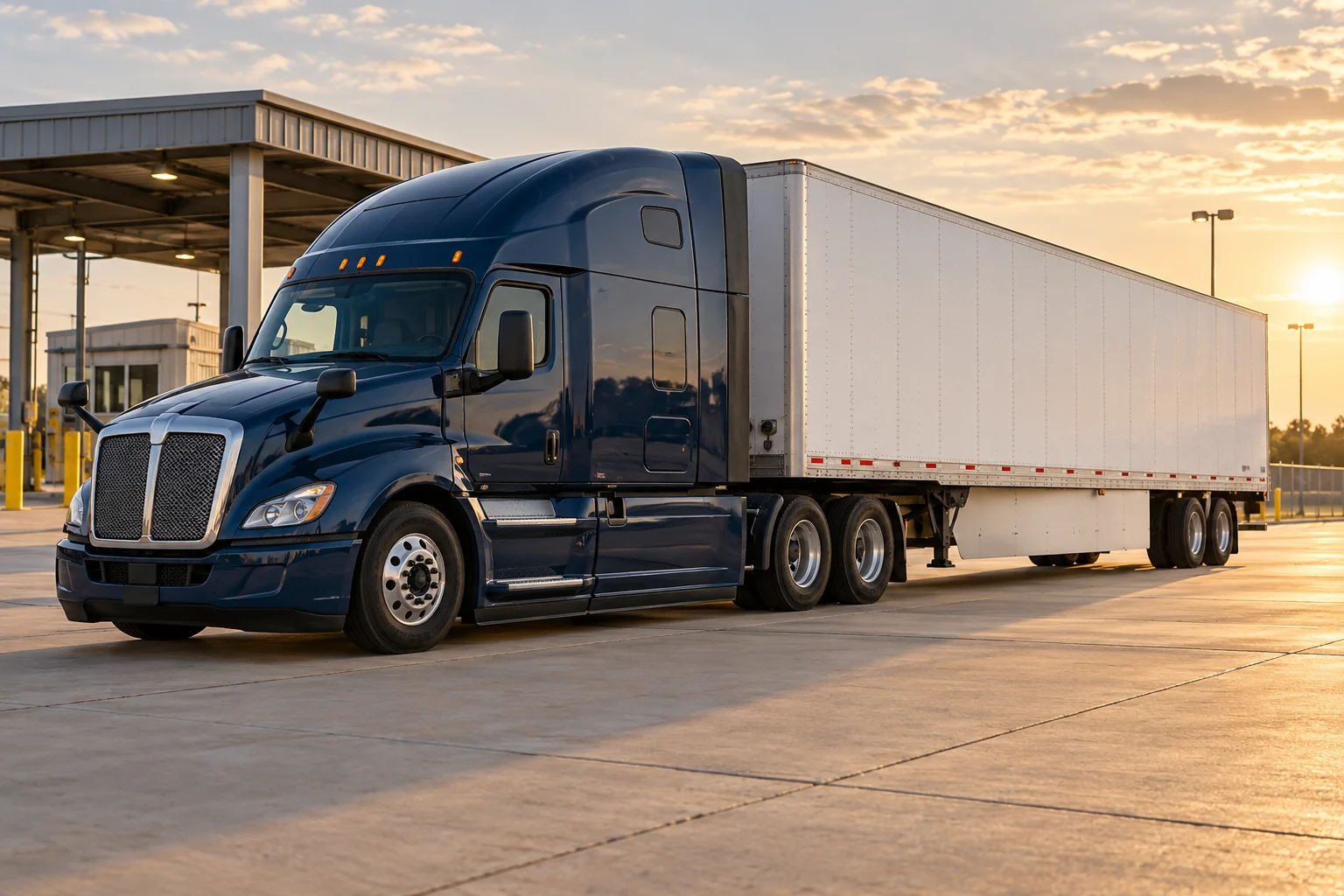
The logo on the trailer may not identify every relevant business or record.
We investigate the vehicle relationships, trip activity and available carrier evidence alongside your injuries. That work informs the strategy before an early offer is evaluated. The claim is developed around the actual trucking operation rather than processed as a larger version of a repair bill.
Discuss evidence from my truck collision
02 · Attorney-led representation
Your Attorney Stays Involved in Your Case
Several businesses can respond without resolving who bears responsibility.
Your attorney evaluates the available records, insurer positions and proposed settlement terms. Paralegals help coordinate the material while the lawyer leads the legal strategy. You get an explanation of the unresolved truck, trailer or employer issues instead of being left between competing claims contacts.
Meet the Genthe team
03 · Trial-ready advocacy
We Prepare for Trial to Fight Underpayment
The carrier evidence and injury losses need to support one coherent case.
We prepare the collision account and documented damages with potential litigation in view. Being willing to take a supported truck accident claim to court strengthens our negotiating position when a carrier or insurer contests the facts or discounts the impact of the injuries.
Request my Dallas truck accident review
Your next step
Find Who May Owe You Crash Compensation
Jump to 12 questions and answers about this claim
A Dallas truck accident lawyer needs to connect the vehicle, carrier and trip evidence rather than rely on the logo on the trailer. A Dallas truck collision may leave the injured person with a report while the carrier holds operational records and the vehicles move toward repair. Genthe Law Firm connects the equipment, business relationships and injury evidence to identify what needs investigation and preservation.
Challenge Trucking Companies With Trial-Ready Lawyers
Our intake team answers calls 24/7 and arranges attorney follow-up. The first consultation is free.
Evidence and decisions
Find Rules That Support Your Truck Claim
FMCSA requirements are specific to covered operations. A regulatory violation, insurer limit or corporate relationship should be checked before it becomes a statement about who owes compensation.

| Question | What to review |
|---|---|
| Applicability | Determine which carrier and vehicle rules governed the operation, including interstate or intrastate status. A blanket rule for every commercial vehicle can be misleading. |
| Record retention | Different records have different retention rules. Send tailored requests promptly without claiming that every video or device file must remain available for the same period. |
| Loss and available recovery | Assess treatment, income and other supported damages separately from policy limits. Large equipment does not guarantee a large policy or an award. |
Why choose Genthe
Get Personal Attention for Your Truck Injuries
A commercial collision can involve a carrier's records, a driver's account and several coverage questions. Genthe brings personal attorney attention and preparation for trial to that complexity, building the claim around the facts of your crash.
Challenge Trucking Companies With Trial-Ready Lawyers
Get a Plan for Your Injury
Our review considers the carrier, vehicle and available operational records rather than treating the truck as simply a larger passenger car.
Your Lawyer Reviews Your Individual Losses
We connect the collision investigation with treatment, earnings and continuing needs so the claim has a basis beyond a quick estimate.
Know Your Fees Before You Commit
The consultation is free. You can discuss the file and the written contingency arrangement before deciding whether we should represent you.
The question that shapes this case
Save Truck Details That Support Your Claim
The logo on a trailer may identify a different business from the carrier operating the tractor. A commercial collision investigation should identify the equipment, operating relationships and records relevant to the actual event.
Vehicle identity
Keep photographs of the tractor, trailer, unit numbers and USDOT markings where safely available. Match those details to the crash reference rather than relying on a trade name alone.
Driver and trip
Dispatch, hours-of-service and route information may help explain the trip. Their relevance depends on the vehicle, operation, exemptions and the rule in force.
Mechanical and load issues
Inspection, maintenance, cargo and repair records may address different theories. Preserve equipment when appropriate; a damaged part does not by itself prove a pre-crash defect.
The injury and disruption
Keep treatment, missed-work records and medically supported restrictions beside the truck evidence. A carrier investigation should also account for the injured person’s continuing needs.
Challenge Trucking Companies With Trial-Ready Lawyers
Support for the decision ahead
Fight for Maximum Compensation From Trucking Companies
Get Help Identifying Every Responsible Business
A truck, trailer, carrier and maintenance provider may involve different records and responsibilities. Genthe can connect the identifiers and available documents so the investigation follows the actual operation rather than a single logo.
Keep Your Injury Costs in Settlement Talks
Commercial paperwork can dominate the discussion while treatment and missed income continue. We review those personal effects with the collision and coverage questions, then explain how the evidence supports the choices ahead.
Start with the information you have. A complete file is not required to enquire.
Discuss My Truck CollisionA practical tool for your next step
Gather Truck Details for Your Free Review
A Dallas warehouse entrance, frontage road and main highway lane can raise different movement questions. Pair that location with the identifiers on the tractor and trailer rather than relying on a large delivery logo.
Separate Tractor and Trailer Details
Keep existing photos of company names, visible USDOT numbers, unit numbers and plates. Note which identifier belongs to which vehicle component.
Describe the Access Movement
Mark whether the truck was entering a warehouse, leaving a driveway, changing lanes or travelling straight. Keep the approach and impact photos together.
Keep Every Claims Contact
Bring driver, carrier, insurer and tow correspondence already received. Use consistent names so a contact is not mistaken for the company operating the vehicle.
Evidence and decisions
Find Reliable Help With Your Truck Claim
Official resources explain the rules and available records. Applying them to a claim requires the actual facts, dates and documents.
Challenge Trucking Companies With Trial-Ready Lawyers
01 · Check the official source
02 · Follow the relevant claim
Meet the Genthe team and read client reviews. This is general information; a case assessment depends on your circumstances.
Evidence and decisions
Get Answers About Your Truck Injury Claim
Use these answers to prepare for a discussion of your own facts and documents.

Why compare a driver's log with dispatch or load records?
A duty-status record addresses one part of the trip. Other business records may help test the timeline and identify the activity performed. FMCSA explains that supporting documents are used to verify duty-status records; no single document should be assumed to establish every fact about the collision.
Does the carrier name on the paperwork identify every responsible company?
Not necessarily. Vehicle ownership, employment, maintenance and control of the trip can involve different entities. The available contracts and operational records need to be examined for the relationship relevant to the alleged conduct. Naming every company in sight is not a substitute for establishing that connection.
Which truck identifiers should I save after a Dallas collision?
Keep the tractor and trailer numbers, carrier name and any USDOT information already visible safely. Different equipment or business names can appear together; identify what each marking was attached to.
Does the trailer logo tell me who employed the driver?
Not necessarily. Ownership, leasing and operation can differ. Retain photographs and shipping or incident information you lawfully hold so the relevant relationships can be investigated rather than inferred from branding.
What if the carrier wants to repair the tractor immediately?
Tell counsel where the vehicles are and the proposed work date. A preservation or inspection decision may be time-sensitive, but safety, access and storage circumstances must be considered rather than issuing a universal hold instruction.
How can a delivery record help a truck-crash timeline?
It may connect a trip to places, tasks or times. Compare what it actually documents with other records; delivery paperwork alone may not establish the driver’s attention, speed or precise movement at impact.
Should I assume every large vehicle uses the same federal rules?
No. Vehicle, operation and applicable exemptions matter. Identify the truck and trip first, then check the relevant rules through official regulatory sources instead of applying one rule to every commercial-looking vehicle.
What should I note about a suspected load shift?
Describe the vehicle movement, material observed and photographs or witnesses already available. Load condition and causation may require technical evidence; do not enter a hazardous cargo area to investigate yourself.
Can a truck's electronic information be requested like a public crash report?
Not generally through the same route. Private vehicle and carrier records have different custodians and access issues. Identify the data and responsible holder so appropriate preservation and legal access can be assessed.
How should I document a collision involving several passenger vehicles and a truck?
Keep each contact and vehicle reference distinct, including uncertainty about the sequence. A shared scene does not mean every injury or impact has the same cause, policy or proposed resolution.
What if an adjuster contacts me on behalf of a company I do not recognize?
Save the company name, represented party, claim number and request. Ask what role it has; a carrier, insurer, administrator and investigative service can be different participants in the same matter.
How can Genthe distinguish driver conduct from a maintenance issue?
The investigation can compare the movement evidence with relevant inspection, repair and operational records. A damaged part after a crash does not itself establish that a preexisting defect caused the impact.
Sources and practical resources: FMCSA motor-carrier safety rules · Texas Department of Insurance: auto coverage
General information. Individual answers depend on the facts, records and applicable rules. Resource links reviewed October 24, 2026.
Challenge Trucking Companies With Trial-Ready Lawyers