
Representation built around your case
Get Lawyers Who Fight for Rideshare Victims
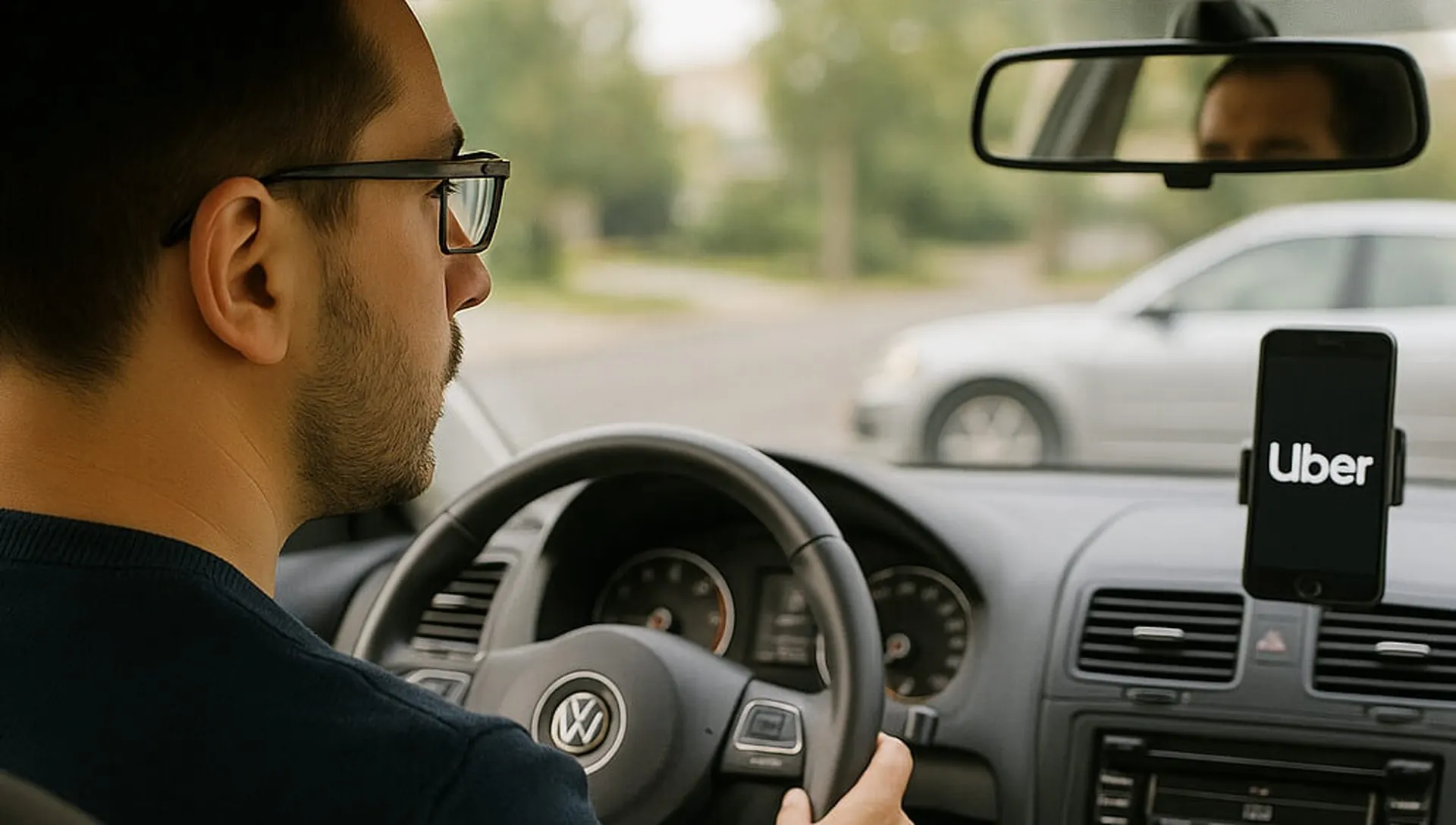
A Dallas rideshare accident lawyer should connect trip status, vehicle activity and insurance responses without assuming a single policy limit answers the entire claim.
01 · Individual case strategy
Your Rideshare Claim Gets an Individual Strategy
An app-company name should not send every rideshare case down the same path.
We examine your role, the driver’s activity and the documents available from the trip and insurers. Your injuries and supported losses are developed alongside those coverage questions. The goal is a connected assessment before an early offer is accepted as a complete resolution.
Discuss my Uber or Lyft collision
02 · Attorney-led representation
Get Coverage Questions Answered by Your Lawyer
A trip receipt and an insurer’s explanation need legal context.
Your lawyer reviews what each organization says and explains the choices the records support. Paralegals assist with correspondence and file organization while the attorney remains responsible for claim strategy. That helps you understand which questions are about the collision and which concern the applicable coverage.
Meet the Genthe team
03 · Trial-ready advocacy
We Prepare for Trial Against Low Offers
The demand should show the connection between activity, responsibility and harm.
Genthe prepares those facts and documented losses for potential litigation when a rideshare claim is disputed. Willingness to take the supported case to trial helps us negotiate beyond a generic assumption about app insurance or a quick figure offered before the trip details are clear.
Review my Dallas rideshare injury claim
Your next step
Save Trip Records That Support Your Claim
Jump to 12 questions and answers about this claim
Genthe’s Dallas rideshare accident review begins with the trip status, your position in the event and the actual insurance documents. A rideshare injury can leave a passenger dealing with several claim channels while the trip record sits in an app. Genthe Law Firm reviews the ride, collision and policy evidence together so the inquiry starts with the actual service and activity at the time.
Fight for Maximum Compensation After Rideshare Injuries
Our intake team answers calls 24/7 and arranges attorney follow-up. The first consultation is free.
Why choose Genthe
Get Legal Help Finding Rideshare Injury Coverage
Genthe's tailored approach fits a claim where the driver's activity and the passenger's records may matter alongside the collision. We connect those facts with the injury file while preparing for insurer questions and possible litigation.
Fight for Maximum Compensation After Rideshare Injuries
Get a Plan for Your Injury
App messages, booking information and the sequence of the ride can help clarify the questions our attorneys need to investigate.
Your Lawyer Reviews Your Individual Losses
Coverage questions and responsibility should not push the treatment and work losses out of view. We build the claim around all of them.
Know Your Fees Before You Commit
Bring correspondence or a proposed release to a free review. The scope of representation and fees are explained in writing before engagement.
The question that shapes this case
Find Coverage Through Your App Trip Records
For an Uber, Lyft or other app-related collision, save the booking and activity record before describing the crash as an ordinary auto claim. The driver’s activity and the law and policies applicable on the incident date matter.
Which activity?
Distinguish a passenger ride, travel to a pickup, waiting for a request and a delivery. Do not assume a delivery-only trip follows the same rules as a passenger trip.
What evidence?
Keep the receipt, trip identifier, messages and time-stamped screenshots. A screenshot taken later may not establish the driver’s status at impact.
Which sender?
Separate platform communications from the driver’s insurer and another motorist’s insurer. A refund or automated incident acknowledgment is not necessarily an injury settlement.
The coverage correspondence
Retain every insurer’s written position and the policy documents provided. Keep app-company messages separate from an insurer’s explanation of which coverage applies.
Fight for Maximum Compensation After Rideshare Injuries
Support for the decision ahead
Get Help Finding Insurance for Your Injuries
Match Your Trip Records to Possible Coverage
An app receipt, trip status and vehicle account may not describe the same moment. Genthe can review them together with insurer correspondence to identify which coverage questions need a supported answer.
Seek Payment for Lost Work and Care
While the policies are being reviewed, treatment and work disruption still need documentation. We keep those losses connected to the claim and explain what a proposed release or offer would resolve.
Start with the information you have. A complete file is not required to enquire.
Discuss My Rideshare InjuryA practical tool for your next step
Gather Trip Details for Your Free Review
A pickup at a Dallas venue or warehouse entrance can involve an app location, an actual pickup point and a nearby street. Keep those distinct when explaining the trip and the collision.
Keep the Full Trip Receipt
Save the trip ID, date, time, pickup and destination shown in the app. Keep the actual meeting point separately if the car stopped elsewhere.
Record the Trip Stage
Write whether you were waiting, boarding, riding or leaving the vehicle. Preserve existing messages showing cancellation, acceptance or a completed ride.
Identify Each Vehicle
Bring available driver and vehicle details plus the claim correspondence. Label a rideshare vehicle separately from any other car involved.
Evidence and decisions
Understand Insurance That May Pay Your Claim
Texas Occupations Code Chapter 2402 now addresses transportation and delivery networks. The applicable provisions, amendments and insurance terms require review for the date and type of service; a single four-number chart can conceal important differences.

| Question | What to review |
|---|---|
| Liability and coverage | App activity may affect required coverage, but limits do not establish negligence or the value of a claim. Review all potentially applicable policies and exclusions. |
| Company responsibility | Driver classification and potential company liability require the actual statutory conditions and facts. Do not assume the platform can always—or never—be sued. |
| Agreements and offers | Preserve the terms, arbitration provisions and release you received. Their applicability and enforceability need legal review rather than a categorical promise about court access. |
Useful resources
Find Reliable Help With Rideshare Claim Records
Official resources explain the rules and available records. Applying them to a claim requires the actual facts, dates and documents.
Fight for Maximum Compensation After Rideshare Injuries
01 · Check the official source
02 · Follow the relevant claim
Meet the Genthe team and read client reviews. This is general information; a case assessment depends on your circumstances.
Evidence and decisions
Get Answers About Your Rideshare Injury Claim
Use these answers to prepare for a discussion of your own facts and documents.

Which app information should I save after a rideshare crash?
Keep the original receipt, trip identifier, messages and available screenshots with their timestamps. State what you personally observed about the trip rather than guessing the driver’s app status. A coverage assessment may require records beyond what a passenger or another driver can see on a phone.
Does a refunded ride resolve the injury claim?
A fare refund and a bodily-injury resolution are different matters. Read any accompanying terms and keep the communication. The injury review concerns responsibility, treatment, losses and applicable coverage; the amount charged for the trip does not determine those issues.
What should I retain after a Dallas rideshare pickup-area collision?
Save the trip identifier, pickup pin, messages, receipt and actual vehicle location. An app’s suggested pickup point may differ from where the driver stopped or the passenger entered the car.
What if the crash happened before I got inside the rideshare vehicle?
Describe the driver’s movement, your position and the trip stage supported by records. Passenger status and applicable coverage require the facts and policy terms; a booked trip alone does not answer every issue.
Can I use my receipt to prove the driver's app status?
It can help identify a ride and timeline, but may not establish every status transition. Preserve the original app record and avoid guessing what the driver’s screen showed at the precise moment of impact.
What if a driver was using both delivery and rideshare apps?
Identify what you actually observed and preserve available trip information. The operation and status need investigation; the presence of several apps does not automatically establish which company or coverage applies.
Does reporting an accident in the app file a lawsuit or meet every deadline?
No. Platform reporting, insurance handling and court filing are different actions. Retain the submission and response, and ask for a deadline assessment based on the event and potential parties.
How do I identify a rideshare car that left a Dallas pickup area?
Keep the trip record, plate or partial plate, driver details available in the app and police reference. Do not publish personal allegations online as a substitute for appropriate reporting and evidence review.
What if the driver asks me to handle everything privately?
Keep the communication and document the event accurately. Discuss the potential coverage, injury and reporting issues before accepting terms that may be incomplete or broader than a simple fare or repair arrangement.
Should I keep a canceled-trip message after the collision?
Yes. Its timestamp and wording may help explain the sequence, but cancellation alone does not establish what happened earlier. Keep surrounding messages and original records rather than an isolated notification.
How do I separate a pickup fall from a vehicle-impact claim?
Explain the surface, door, vehicle movement and how the injury occurred. A fall at a pickup point can raise different control and coverage questions from a collision during the ride.
What does Genthe review when several insurers point to the app company?
Bring the written responses and trip records. The firm can evaluate the claimed coverage positions alongside the actual operation, rather than treating a referral to a platform as an answer to responsibility.
Sources and practical resources: Texas transportation and delivery network law · Texas Department of Insurance: auto coverage
General information. Individual answers depend on the facts, records and applicable rules. Resource links reviewed October 24, 2026.
Fight for Maximum Compensation After Rideshare Injuries