
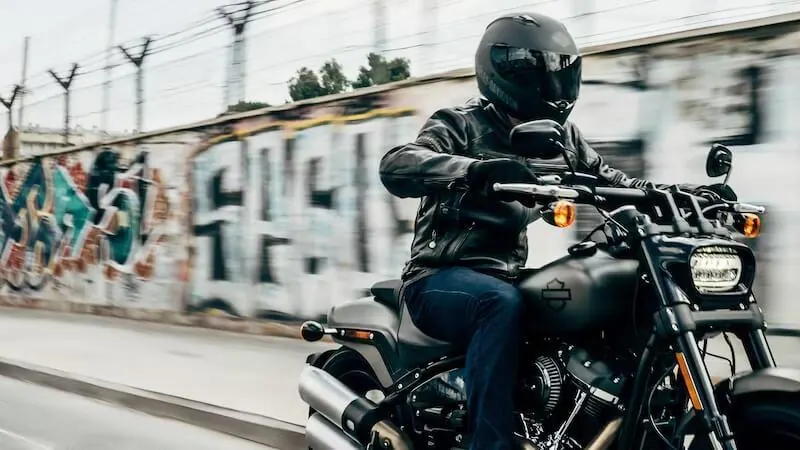
Motorcycle Helmet Safety Standards and Fit
Motorcycle enthusiasts know that safety is key when it comes to riding on the open road. A good quality helmet is the most important piece of safety gear that a rider can invest in. But with so many options available on the market, finding the perfect helmet can be a daunting task. A properly fitted, compliant helmet can reduce the risk of head injury, but no helmet prevents every injury.
This guide explains motorcycle helmet standards, fit and care. Certification labels and a secure fit matter more than a claim that one brand or model is the safest for every rider. Check the exact model and size, the manufacturer’s current specifications and applicable safety labels before buying.
Essential Features of a Motorcycle Helmet
When it comes to motorcycle helmets, safety should be your top priority. Essential features to look for in a motorcycle helmet include a sturdy outer shell made of durable materials such as polycarbonate, fiberglass, or carbon fiber. The inner liner should be made of materials that can absorb impact in case of a crash, such as expanded polystyrene (EPS) foam.
A good helmet should also have a comfortable and secure fit. It should fit snugly on your head without feeling too tight or too loose. The helmet should have proper ventilation to keep you cool and prevent fogging, as well as a removable and washable liner for easy maintenance.
Another important feature to look for is the type of visor or face shield. A clear visor provides maximum visibility, while a tinted visor offers sun protection and reduces glare. Some helmets also come with a built-in sun visor or offer the option to attach one.
Finally, consider the helmet’s certification. Look for helmets that meet safety standards set by organizations like the Department of Transportation (DOT) and the Snell Memorial Foundation. It’s important to note that not all helmets on the market meet these standards, so be sure to do your research and purchase a helmet that offers the necessary level of protection.
Top Brands for Motorcycle Helmets
Choosing the right motorcycle helmet is critical for safety and comfort while riding. There are many brands out there that offer high-quality helmets, but some stand out from the rest.
Shoei
One of the top brands of motorcycle helmets is Shoei. This Japanese brand has been around for over 60 years and is known for producing innovative and high-quality helmets. One of their most popular models is the RF-1200, which offers excellent protection and is also lightweight and comfortable to wear.
Arai
Another top brand is Arai, which is also Japanese and has been producing helmets for over 80 years. Their helmets are known for their exceptional quality and durability and for being some of the safest helmets on the market. The Arai Corsair-X is a popular model that offers excellent protection and also has a stylish design.
Bell
Bell is another top brand that has been around for over 60 years. They are known for producing helmets that are both safe and stylish, and their helmets are often used by professional riders. The Bell Star MIPS is a popular model that offers excellent protection and also has a unique design that stands out from the crowd.
Other notable brands for motorcycle helmets include AGV, Schuberth, and HJC. When choosing a helmet, it’s important to consider not only the brand but also the specific model and its features. Look for helmets that meet safety standards and offer comfort and ventilation for a comfortable and safe ride.
Motorcycle Helmet Standards
For U.S. road use, look for a helmet labelled as meeting Federal Motor Vehicle Safety Standard No. 218. The DOT symbol represents the manufacturer’s certification of compliance; NHTSA does not approve individual helmets before sale. NHTSA conducts compliance testing and can take enforcement action against noncompliant products.
Snell certification is a separate voluntary testing program. M2020 is an earlier standard, and Snell has since published M2025D and M2025R, which add oblique-impact tests. Check the actual helmet’s certification and the applicable Snell certified-products list; a brand name alone does not establish certification.
ECE approval is a different regulatory system. Standards use different tests and requirements, so they should not be treated as a simple universal ranking from least to most protective. Verify the labels on the exact helmet and choose a model that meets the requirements where you ride.
A Perfect Fit Is Key
DOT sets the minimum threshold for what safety should be. If you get a novelty helmet or a no-name brand helmet, please beware because these helmets have not been tested. More often than not, they do not pass as far as any certifications go, and they are just outright dangerous.
No matter what type of helmet you choose, it won’t be doing much good if it doesn’t fit properly. Make sure to measure your head size before buying a helmet and try it on before taking it home for a test drive. Once you have the right size helmet, secure the chin strap and retention system according to the motorcycle helmet manufacturer’s instructions. The helmet should fit snugly and resist rolling off your head.
Compare the Exact Helmet, Not Just the Brand
A model’s specifications, available sizes and certifications can change. Before purchasing, check the manufacturer’s documentation, try the helmet on, and confirm that the retention system stays secure. Communications equipment, sun visors and other accessories vary by model and do not establish impact protection. This guide does not present independent comparative testing that would justify ranking seven models as the safest.
Additional Motorcycle Safety Gear
Helmets are the most important piece of safety gear when riding a motorcycle, protecting your head and face. However, additional safety gear items can help protect the rest of your body as well.
Clothing
Motorcycle jackets are made with heavy-duty materials that can protect you from road rash and injuries in case of a crash. Look for jackets with armor on the elbows, shoulders, and back for extra protection. Additionally, motorcycle pants or riding jeans can provide protection for your legs in case of an accident. They are made with similar materials as jackets and often include knee and hip armor.
Gloves & Boots
Gloves provide grip and protection for your hands, which are often the first things to touch the ground in case of an accident. Look for gloves made with durable materials and armor in the knuckles and palms.
Boots are important for protecting your feet and ankles while riding a motorcycle. Look for boots with sturdy soles and ankle support to help prevent injuries. Some boots even feature armor on the toe and heel for added protection.
Caring for a motorcycle helmet
Maintaining and caring for your motorcycle helmet is crucial for its longevity and effectiveness. Here are some tips to help you keep your helmet in top condition:
- Clean your helmet regularly: Dirt, grime, and sweat can build up on your helmet over time. To keep it clean, wipe it down with a soft cloth and mild soap and water. Avoid using harsh chemicals or abrasive materials as they can damage the helmet’s surface and interior padding.
- Store your helmet properly: When not in use, store your helmet in a cool, dry place away from direct sunlight. Avoid stacking other objects on top of it as this can damage the helmet’s shape and internal structure.
- Replace your helmet if it’s been damaged: If your helmet has been involved in a crash or has sustained any impact, it’s important to replace it immediately. Even if it appears to be undamaged, the integrity of the helmet may have been compromised.
- Check for signs of wear and tear: Over time, helmets can develop cracks, dents, or other signs of wear and tear. Inspect your helmet regularly for any damage and replace it if necessary.
- Follow the manufacturer’s instructions: Different helmet models may have specific care instructions, so be sure to follow the manufacturer’s recommendations for cleaning and maintenance.
How to properly fit a motorcycle helmet
When it comes to motorcycle helmets, safety features are not the only factors that matter. The fit of the helmet is just as important. A properly fitting helmet will ensure maximum protection in the event of an accident and will also be more comfortable to wear during rides.
Measure
Use a soft measuring tape to measure the circumference of your head just above your eyebrows and ears. This measurement will give you an idea of the helmet size you need.
Head shape
Try on different helmets in that size range to find one that fits your head shape. Different brands and models of helmets may fit differently, so it’s important to try on several options before making a purchase.
Fit
When trying on a helmet, make sure it’s snug but not too tight. The helmet should sit squarely on your head without any pressure points. It’s also important to ensure that the chin strap is properly adjusted and secured.
Comfort
Once you’ve found a helmet that fits properly, wear it for a few minutes to ensure it remains comfortable. You should be able to move your head freely without any discomfort or slipping of the helmet.
Conclusion
Motorcycle riding is an exhilarating experience, but it also carries inherent risks. Wearing a properly fitted motorcycle helmet that meets applicable safety requirements is one of the most important precautions you can take when riding your bike. There are a wide variety of helmet styles and safety ratings out there, and it’s important to choose one specific to your needs and environment. Use the exact helmet’s labels, current manufacturer guidance and a careful fit check to make an informed decision. Remember: always wear a helmet when riding a motorcycle – it could very well be the difference between life and death in the event of an accident!
If you find yourself in an accident, make sure to contact an attorney who handles motorcycle accident injuries. Our experienced Dallas lawyers can help you receive the compensation you deserve and ensure justice is served.