Who’s Responsible for Slip and Fall Injuries at Texas Events?
Liability usually falls on the party that controlled the area where the fall occurred – but only if they failed to address a known or foreseeable danger. In Texas, that could include the property owner, an event organizer, or even a third-party vendor.
If you were hurt in a fall on someone else’s property, our Dallas slip and fall lawyers can review your case for free.
Because events often involve multiple contracts, permits, and shared spaces, legal responsibility isn’t always clear. Understanding how Texas premises liability law applies in these situations can help injured guests take the right next steps.
Overview of Premises Liability in Texas
Premises liability is the legal rule that holds property owners – or those in control of a space – responsible when someone is injured due to unsafe conditions. In Texas, this rule applies to private businesses, public venues, and temporary event spaces alike.
People attending concerts, fairs, and public events are usually classified as invitees, which means they are owed the highest level of care. That includes regular inspections, prompt cleanup of spills or hazards, and clear warnings about any dangers that can’t be immediately fixed.
To bring a valid claim under Texas law, an injured person generally must show:
- A dangerous condition existed
- The person or entity in charge knew or should have known about it
- They failed to correct it or provide an adequate warning
- The injury was caused by that failure
If the property was controlled by more than one party – like a venue operator and an outside vendor – each may bear some share of responsibility. Courts often look at who had actual control over the exact location where the injury happened.
Who Can Be Held Liable at Events, Concerts, or Fairs?
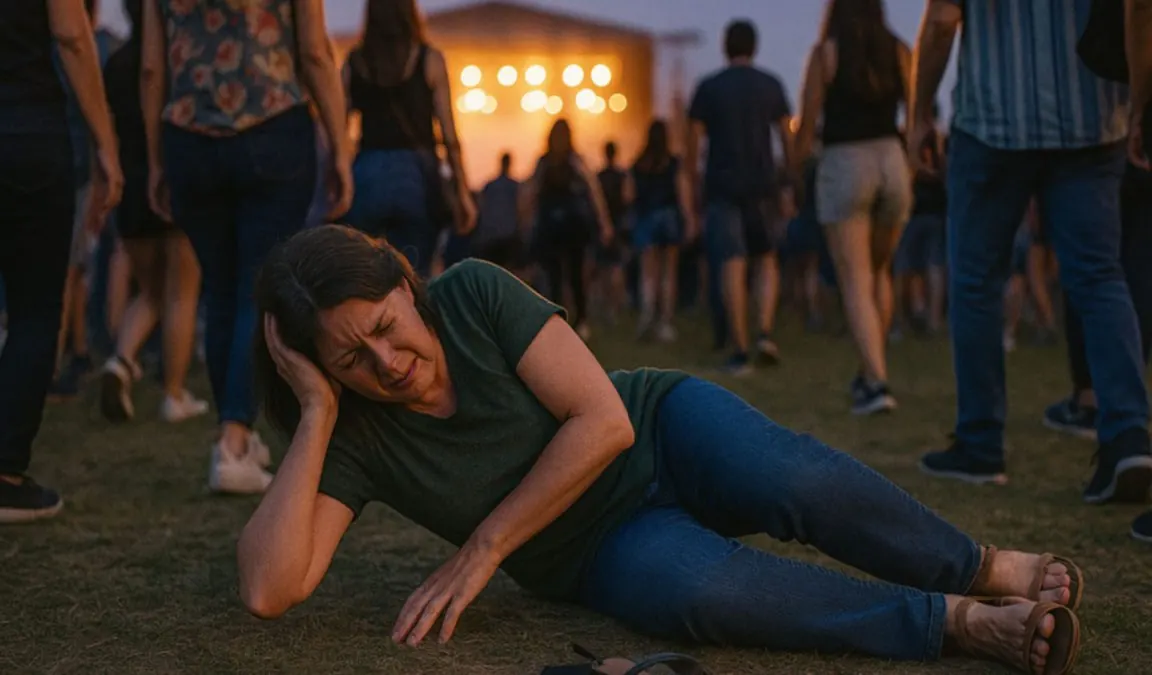
When someone is injured at a public event in Texas, identifying who is legally responsible often requires looking at how the event was set up and who managed specific areas. Liability can extend to multiple parties – sometimes jointly – depending on where and how the injury occurred.
Potentially responsible parties may include:
Each party’s responsibility depends on whether they controlled the specific area where the fall occurred and whether they had a duty to maintain safe conditions.
In many cases, vendors or contractors may also be held accountable if the hazard was within their booth, tent, or leased space. For example, if someone trips on a cable left exposed by a sound company or falls in a vendor’s unlit area, that specific business could be brought into a claim.
Ownership and management contracts, insurance agreements, and event permits often help clarify who had control over the space – making these documents key to sorting out liability.
Common Causes of Falls at Public Events
Large events often combine crowds, temporary structures, and fast-paced movement – all of which increase the risk of someone getting hurt. Falls at public gatherings are frequently caused by conditions that could have been addressed with proper planning or maintenance.
Examples of common slip, trip, or fall hazards:
- Spilled food or drinks not cleaned up quickly
- Wet grass or muddy walkways with no warning signs
- Cables or extension cords stretched across walking paths
- Loose or uneven flooring in tents or vendor booths
- Cracked pavement or raised concrete edges in parking lots
- Missing or broken handrails near steps or platforms
- Poor lighting in entryways, exits, or restrooms
- Overcrowding near entrances, exits, or concession lines
Many of these hazards are preventable with basic inspection and safety measures. The presence of a hazard alone doesn’t guarantee liability – but if the party in charge knew (or should have known) about the danger and didn’t fix it or warn people, they may be held legally responsible.
What You Must Prove to Win a Claim
In Texas, not every slip or fall at an event leads to a valid legal claim. To recover damages, the injured person must meet a specific legal standard – and the burden of proof is on them.
To win a claim, you generally need to prove:
- Duty – The person or company in control of the area had a legal obligation to keep it reasonably safe.
- Breach – That obligation was not met. For example, a spill wasn’t cleaned or a broken light wasn’t fixed.
- Causation – The unsafe condition caused your fall and resulting injury.
- Damages – You suffered measurable harm, such as medical costs, lost wages, or lasting physical effects.
Texas applies a modified comparative fault rule, which means your compensation can be reduced if you’re found partially at fault. If you’re 51% or more responsible for the fall – for example, if you ignored visible warnings or were behaving carelessly – you may not recover anything.
Strong claims are supported by:
Related: Who’s Responsible for Sidewalk Trip and Fall Injuries in Texas?
Related: Hotel and Airbnb Liability for Guest Injuries in Texas
- Photos of the hazard
- Witness statements
- Medical records
- Any prior complaints about the same hazard
- Proof the property owner had time to fix or warn about the danger
Gathering and organizing this evidence as soon as possible is critical to building a successful case.
What to Do After a Slip and Fall at an Event
If you fall and get hurt at a public event, the steps you take in the minutes and days that follow can have a major impact on your recovery – both medically and legally. Even if you’re unsure about filing a claim, proper documentation helps protect your rights.
Here’s what to do:
- Seek medical help immediately
Get evaluated by emergency personnel or visit a doctor as soon as possible. Some injuries take time to show symptoms, and a delay in treatment can work against your claim. - Take photos or videos
Document the hazard that caused the fall. Capture the scene from multiple angles and include your shoes, surroundings, and any signage – or lack of it. - Report the injury
Notify event staff, security personnel, or organizers right away. Ask them to create an incident report and request a copy if available. - Get witness names and contact info
If anyone saw the fall or noticed the hazard beforehand, their testimony may help confirm your version of events. - Keep records
Save all medical bills, receipts, transportation costs, and communications related to the incident. These details show how the injury affected your daily life and finances. - Avoid giving recorded statements
Don’t discuss the incident with insurance adjusters or event organizers without understanding your legal position. Keep your statements brief and factual until you’ve had time to evaluate your options.
Prompt action strengthens your claim and helps ensure that important evidence isn’t lost or destroyed.
Types of Compensation for Event Injuries
If you’re injured at a public event due to unsafe conditions, you may be entitled to recover money for a range of losses. The amount depends on the severity of the injury, the circumstances of the fall, and how Texas law applies to your case.
Common forms of compensation include:
Texas allows injured people to recover both economic damages (direct financial losses) and non-economic damages (intangible harm like pain). However, under the comparative fault rule, any award may be reduced based on your share of responsibility for the fall.
For example, if you were 20% at fault and a court awards $50,000 in damages, your compensation would be reduced to $40,000.
Keeping detailed records of expenses, symptoms, and daily limitations strengthens your claim and helps support accurate compensation.
FAQs about Slip and Fall Injuries at Texas Events
Can I sue if I fell at the State Fair of Texas in Dallas?
Yes, but your claim will depend on who controlled the exact area where the fall happened. That could include the State Fair organizers, a food vendor, or the City of Dallas if public walkways or utilities were involved.
Who’s responsible if I fall at a concert at the American Airlines Center?
Responsibility could lie with the venue operator, event promoter, or a third-party contractor – depending on what caused the fall and where it occurred within the facility.
What if I tripped at a local street festival like Deep Ellum Arts Festival?
If the fall was due to poor lighting, uneven pavement, or vendor negligence, you may have a valid claim. Multiple parties could share liability, including the city or private event coordinators.
Can I file a claim if I didn’t report the incident right away?
Yes, but failing to report the injury at the time can make the claim more difficult to prove. It’s still possible to move forward if there’s other strong evidence – like photos, medical records, or witnesses.
How long do I have to file a claim after a fall at an event in Texas?
Texas law generally gives you two years from the date of the injury to file a personal injury lawsuit. If the event involved a government-run location, you may need to file a notice of claim much sooner.
Do I need a lawyer for a minor injury at a concert or fair?
Even for minor injuries, a brief consultation can help clarify your rights and responsibilities. Some claims seem small at first but turn into larger issues due to delayed symptoms or missed work.
Can I still sue if I was partially at fault for the fall?
Possibly. Under Texas law, if you’re less than 51% at fault, you may still recover damages – though your compensation will be reduced by your share of the blame.
Are vendors or food trucks responsible if someone falls near their setup?
Yes, if the hazard was within the vendor’s control – such as spilled liquids, exposed cords, or loose flooring – they may be liable for resulting injuries.
Call Aaron Genthe for Legal Help After a Fall at a Texas Event
If you were hurt at a concert, fair, or public event in Texas, don’t wait to get answers about your legal options. Aaron Genthe at Genthe Law Firm in Dallas helps injured clients understand who may be responsible and how to pursue compensation after a slip and fall.
Call (214) 957-0898 to schedule a consultation and learn what steps you can take next.