What a Dallas Uber Crash Lawyer Wants You to Know Before You File a Claim.
If you’re looking for answers after an Uber or Lyft accident, you’re not alone. And you’re right to ask questions early. What most people don’t realize is that Uber and Lyft aren’t automatically responsible for your injuries. Their apps might walk you through a claims process, but they won’t explain how or when their insurance actually applies.

The truth is, responsibility for your accident depends on what the driver was doing at the time. If you’re not careful, your claim could be passed off to the driver’s personal insurance, which might not be enough. In some cases, you could be left without any coverage at all.
In this article, you’ll learn what Uber and Lyft don’t explain, how their insurance works in real-world crashes, and why talking to a Dallas Uber crash attorney before you act can help you avoid costly mistakes.
What Uber and Lyft Don’t Tell You About Their Insurance Coverage
Rideshare insurance isn’t one-size-fits-all. Uber and Lyft use a layered system that shifts responsibility depending on what the driver was doing at the time of the crash – and unless you know how to prove it, your claim could fall through the cracks.
- App Off (Driver’s Personal Insurance)
If the driver wasn’t logged into the app, their personal auto insurance is the only one in play. Uber and Lyft won’t help. - App On, No Ride Accepted (Limited Coverage)
The companies provide minimal coverage during this period. It’s not always enough to cover serious injuries or multiple victims. - Ride Accepted or Passenger in the Car (Full Coverage)
Uber and Lyft offer up to $1 million in coverage – but only if the ride was officially in progress. And even then, they may try to deny responsibility or offload blame onto the driver.
Uber and Lyft collect detailed data – driver behavior, app activity, route history – but they don’t hand that over freely. You might be told to file a claim, but what they don’t explain is that without access to the right records, your claim might be delayed or denied.
At Genthe Law Firm, we know how to legally request and retrieve:
- Driver app logs showing whether they were active during the crash.
- Ride data to confirm status and coverage eligibility.
- Evidence of policy violations that could prove the rideshare company was still liable.
If you go in alone, you may never even know what you missed.
What Uber and Lyft Won’t Tell You: Their Settlement Offers Are Often Lowballed
Quick settlements are part of the strategy. After an accident, many injured riders or drivers receive what seems like a fair offer – but it’s often a fraction of what the claim is actually worth. These companies count on people not understanding the value of their case or fearing the cost of legal help.
- Don’t accept the first settlement.
- Don’t trust the insurer to explain your rights.
- Don’t wait too long to act.
If you sign too early, you may waive your ability to pursue additional compensation for future medical care, lost income, or pain and suffering.
Should You Contact Uber or Lyft First – or Talk to a Lawyer?
It might seem logical to report the accident through the app first, but that move can work against you. Here’s what happens when you go directly to Uber or Lyft:
- You get a pre-filled form and a call from an insurance rep.
- They’ll record your statement early – often before you’ve seen a doctor or understood the full cost of your injuries.
- You may be offered a quick payout, with language that makes it hard to reopen the claim later.
The better move? Talk to a lawyer first. Let your attorney manage communication with Uber, Lyft, and any involved insurers. This protects your case, your options, and your financial future. At Genthe Law Firm, we step in early, protect your claim, and handle the frustrating back-and-forth – so you don’t have to.
Here’s what rideshare injury settlements typically look like in Texas:
- Minor injuries (soft tissue, bruises): $10,000 – $50,000
- Severe injuries (surgery, long-term recovery): $100,000+
- Catastrophic outcomes (permanent disability, wrongful death): $500,000 to $1 million or more
These aren’t numbers pulled from thin air – they reflect real recoveries when experienced legal teams build a strong case and push back against low offers.
Why You Need a Lawyer to Take On Uber and Lyft
These companies have legal teams, claims adjusters, and playbooks for keeping payouts low. If you want a fair outcome, you need someone on your side who knows how to fight back.
Here’s what we handle at Genthe Law Firm:
- Determining which policy applies and how to access it.
- Negotiating directly with rideshare insurers who are trained to minimize payouts.
- Filing suit if the offer doesn’t reflect your losses.
- Uncovering hidden evidence from app data and ride logs.
Our goal is simple – get you the settlement you deserve, not the one they want to give.
What If the Driver Works for Both Uber and Lyft?
Many rideshare drivers today switch between platforms during the same shift, often toggling back and forth to pick up whichever ride comes first. This flexibility benefits drivers, but it can make things more complicated for accident victims.
Here’s the key issue: only one company is responsible, and it depends entirely on which app was active at the moment of the crash.
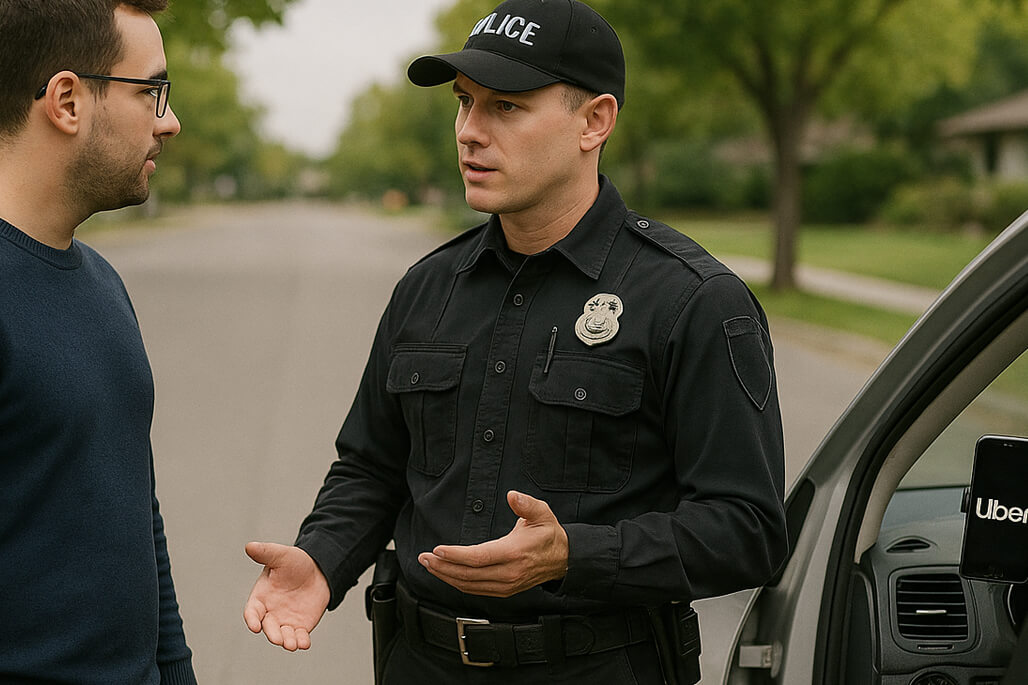
If the driver was logged into Uber and waiting for a ride, then Uber’s limited liability coverage applies. If they were on an active Lyft trip, Lyft’s full commercial policy is triggered. But if the driver was between apps, or using neither when the crash happened, then personal auto insurance may be the only policy available – and that’s often not enough to cover serious injuries.
To figure out who should pay, we investigate:
- Ride history and timestamps from both apps
- GPS data and trip logs
- The exact status of each platform at the time of the crash
Uber and Lyft don’t always hand this over easily. At Genthe Law Firm, we know how to request and use this data to make sure the right company is held accountable. If you’re not sure which platform your driver was working for, don’t guess – call us and we’ll find out.
FAQ: What Injured Riders and Drivers Ask Most Often
I was hit by an Uber driver who was between rides. Am I still covered?
Yes, but the coverage is limited. If the driver had the app on but wasn’t actively carrying a passenger or on the way to pick one up, Uber provides lower liability limits. This can be enough for property damage and minor injuries, but we often have to fight to access full compensation if injuries are serious.
The Uber driver didn’t have any insurance and wasn’t logged into the app. What can I do?
In this situation, you’re relying on the driver’s personal insurance. If they had none or not enough, you may need to file an uninsured motorist claim through your own policy. We can also look into whether Uber can be held liable for negligent hiring if the driver should never have been approved.
My child was injured while riding in a Lyft. Can I file a claim for them?
Yes. Parents or legal guardians can file a personal injury claim on behalf of a minor. Damages can include medical bills, emotional trauma, and long-term care if needed. We can also help set up structured settlements to protect their future.
I accepted a small settlement from Lyft but now my injuries are worse. Can I reopen the case?
If you signed a release as part of accepting payment, it’s unlikely. This is why we strongly recommend speaking with a lawyer before agreeing to any offer. If you haven’t signed anything yet, we can still take over and push for a more appropriate settlement.
A family member was killed in a rideshare crash. Can we sue Uber or Lyft for wrongful death?
Potentially, yes. If the driver was active on the app or had a history of dangerous driving that the company ignored, we can explore a wrongful death claim. These are complex and time-sensitive cases, and we’ll walk your family through every step.
Should I report the crash to Uber or Lyft before I talk to a lawyer?
It’s better to speak with a lawyer first. What you say can impact your claim, and you may be pressured into accepting a low settlement before understanding your injuries.
What if the rideshare driver wasn’t on a trip?
If the app was on but no ride was accepted, limited coverage applies. If the app was off, Uber and Lyft aren’t liable. We’ll help prove the exact status and pursue all available coverage.
Can I get compensation if I was a passenger?
Yes. In most cases, you’re covered by the company’s commercial policy. But getting paid fairly often requires legal pressure.
What kind of damages can I recover?
Medical expenses, lost income, future care costs, and pain and suffering are all recoverable – if your case is built correctly.
What if the driver had no insurance?
We can explore claims under Uber or Lyft’s uninsured motorist policy or your own underinsured coverage if applicable.
How long do I have to file a claim?
In Texas, the statute of limitations is typically two years from the date of the crash, but evidence is easier to secure earlier on.
Talk to a Dallas Uber & Lyft Crash Lawyer Who Knows How to Win
If you’ve been injured in a rideshare crash, don’t leave your case in the hands of a corporate insurance adjuster or settle for less than you’re owed. Whether you were a passenger, pedestrian, or another driver, you need someone who understands how these companies work and how to fight back when they try to minimize your claim.
At Genthe Law Firm, you’ll work with a Dallas Uber crash lawyer who knows exactly how to handle these cases. We’ve dealt with Uber, Lyft, and their insurers. We know how to uncover hidden ride data, prove liability, and demand real results.
Your next step is simple: call (214) 957-0898 for a free consultation. There’s no risk to you – we don’t get paid unless you do. Let’s hold the right people accountable and get you the compensation you actually deserve.
Page Contents
- What a Dallas Uber Crash Lawyer Wants You to Know Before You File a Claim.
- What Uber and Lyft Don’t Tell You About Their Insurance Coverage
- The Hidden Catch: Your Claim Can Get Lost in Their System
- What Uber and Lyft Won’t Tell You: Their Settlement Offers Are Often Lowballed
- Should You Contact Uber or Lyft First – or Talk to a Lawyer?
- Real-Life Settlement Examples in Texas Rideshare Accidents
- Why You Need a Lawyer to Take On Uber and Lyft
- What If the Driver Works for Both Uber and Lyft?
- FAQ: What Injured Riders and Drivers Ask Most Often
- Talk to a Dallas Uber & Lyft Crash Lawyer Who Knows How to Win