
Representation built around your case
Get Lawyers Who Fight for Injured Workers
A Dallas workplace injury lawyer should examine employer coverage, the assigned activity and any separate business involved before recommending a claim route.

01 · Individual case strategy
Your Work Injury Gets an Individual Strategy
A company’s benefit description should not decide the whole case.
We review the job activity, employer coverage documents and any potentially responsible third party alongside the injury evidence. The assessment follows those facts. Your claim should not be rushed toward an available payment before the relevant coverage and responsibility questions are understood.
Review my work injury and coverage
02 · Attorney-led representation
Get Personal Answers From Your Work Lawyer
Benefit paperwork and a potential civil claim need careful coordination.
Your lawyer evaluates the records and explains the options the circumstances support. Paralegals help collect notices, reports and correspondence while the attorney directs legal strategy. That gives you guidance on the employer and other business roles instead of leaving you to compare their competing explanations alone.
Meet the Genthe team
03 · Trial-ready advocacy
We Prepare for Trial to Fight Underpayment
The duty, activity and resulting loss must be connected.
Genthe develops the work-event account and documented damages for negotiation and potential litigation. Being willing to take a supported civil claim to court helps us pursue an appropriate recovery rather than accept a broad denial based only on the fact that the injury happened at work.
Discuss my Dallas workplace claim
Your next step
Find Your Options for Work Injury Compensation
Jump to 12 questions and answers about this claim
A Dallas workplace injury review should identify the employer’s coverage and any separate third-party claim before treating all work injuries alike. After a workplace injury, the first file to identify is the employer's actual injury-coverage arrangement. A workers' compensation claim, a claim involving a non-subscribing employer and a claim against a separate business can require different analysis. The employer's name on a pay stub is a useful starting point.
Fight for Your Full Work Injury Recovery
Our intake team answers calls 24/7 and arranges attorney follow-up. The first consultation is free.
The question that shapes this case
Find Claims Beyond Your Employer’s Incident Form
Use the legal employer name from the pay record and the coverage information for the injury date. An occupational injury benefit plan and Texas workers’ compensation are different arrangements, even where both are called “insurance” at work.
Workers’ compensation
The system has benefit, reporting and dispute rules. TDI provides injured-employee resources; preserve the incident notice and claim documents even while seeking legal advice.
Non-subscriber
Texas generally allows private employers to elect coverage, subject to exceptions. Section 406.033 restricts specified defenses, but negligence and causation still must be proved in an applicable lawsuit.
Another business
Equipment suppliers, drivers, contractors or property operators may raise separate issues. Shared employment and other statutory protections can affect who can be sued.
The benefit paperwork
Retain notices, claim forms and written coverage decisions with dates. A company’s informal description of its benefits is not a substitute for identifying the actual policy and claim process.
Support for the decision ahead
Seek Every Available Work Injury Compensation Option
Find Out Who May Owe You Compensation
Employer coverage, a separate business and the task being performed can point to different legal questions. Genthe can review the documents and relationships instead of asking you to select a claim type from a form alone.
Know What You Sign After Getting Hurt
A benefits notice, investigation statement and release can serve different purposes. Bring the paperwork available so we can explain what it addresses, what remains open and how it relates to your injury losses.
Start with the information you have. A complete file is not required to enquire.
Discuss My Workplace OptionsA practical tool for your next step
Gather Work Details for Your Free Review
At a Dallas warehouse, loading entrance or shared jobsite, your employer and the company controlling the immediate task may differ. Keep the work assignment, company roles and coverage papers connected.
Describe the Task and Location
Note your employer, the job you were doing and who directed it. Identify the loading area, entrance, machine or other specific work area.
Keep Every Coverage Document
Bring employer notices, benefit-plan information, insurer letters and incident paperwork. Mark anything you were asked to sign or acknowledge.
Record the Work Effect
Keep existing medical restrictions, missed shifts, changed duties and wage correspondence. Separate care instructions from the employer’s description of your work status.
Why choose Genthe
Get Personal Attention for Your Work Injury
Genthe's individual-attention approach matters when an injury involves coverage documents, an employer and another business on site. We read those relationships alongside the evidence and your recovery needs, preparing a strategy for your particular work injury.
Fight for Your Full Work Injury Recovery
Get a Plan for Your Injury
Benefit documents, arbitration terms and a proposed release deserve attention to their actual wording, not a general explanation from the workplace.
Your Lawyer Reviews Your Individual Losses
Our trial-focused practice connects the assigned task, equipment and potential responsibility questions with the records that can support them.
Know Your Fees Before You Commit
The first consultation is free. We discuss the written fee arrangement before representation so you can weigh the next step without a consultation charge.
Evidence and decisions
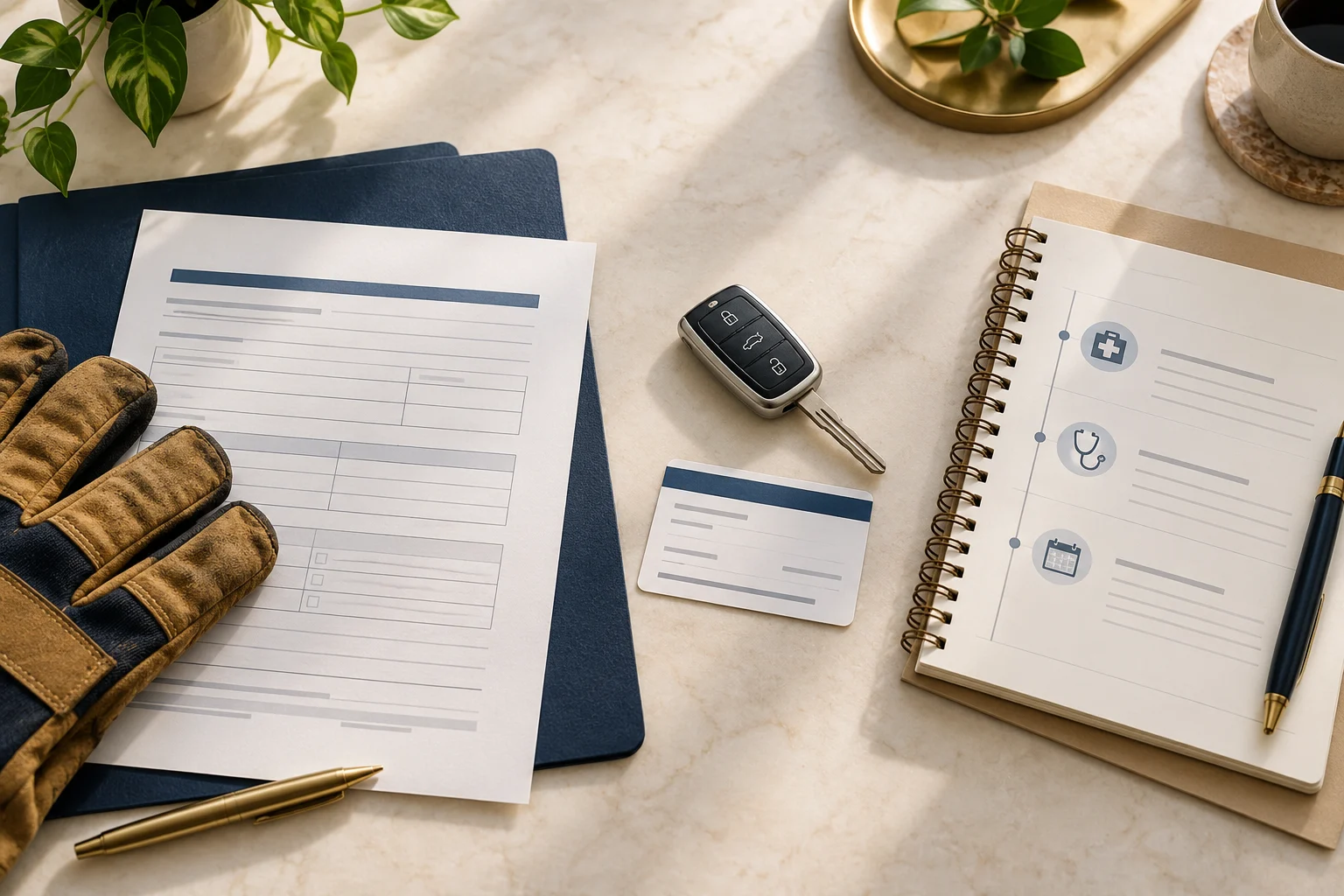
Know What You Sign After Getting Hurt
A benefit election, arbitration agreement, medical authorization and settlement release do different things. Keep the entire document, attachments, date and explanation rather than sending only the signature page.
| Question | What to review |
|---|---|
| Reporting and filing | TDI describes prompt employer notice and claim-filing requirements. Exceptions and occupational-disease rules may matter; do not treat a general two-year lawsuit deadline as the only deadline. |
| Signed documents | A signature should be reviewed rather than assumed to eliminate every option. Likewise, a document is not automatically harmless because it was presented as routine workplace paperwork. |
| Work and treatment | Keep restrictions, missed shifts, pay records and benefit payments together. Different remedies and reimbursement rules can affect the relationship between benefits and a separate recovery. |
Fight for Your Full Work Injury Recovery
Useful resources
Find Reliable Help With Work Injury Claims
Official resources explain the rules and available records. Applying them to a claim requires the actual facts, dates and documents.
Fight for Your Full Work Injury Recovery
01 · Check the official source
02 · Follow the relevant claim
- Warehouses and distribution
- Truck Accidents
- Restaurants, kitchens and hotels
- Manufacturing and industrial plant
- Oilfield and energy services
- Healthcare and nursing homes
- Retail and grocery
- Temporary and staffing agency work
- Construction Accidents
- Car Accidents
- Slip & Fall
- Traumatic Brain Injury
- Wrongful Death
- Bus Accidents
- Uber & Rideshare
Meet the Genthe team and read client reviews. This is general information; a case assessment depends on your circumstances.
Evidence and decisions
Get Answers About Your Work Injury Claim
Use these answers to prepare for a discussion of your own facts and documents.

Why do you ask for the legal employer name from my pay stub?
The business operating a location, the company issuing pay and a contractor directing part of the work may be different entities. Accurate names help the attorney investigate coverage and relationships. A trade name or logo alone may not identify the employer whose arrangement needs to be checked.
Should I bring benefit-plan and arbitration paperwork even if I already signed it?
Yes. Keep the complete document, attachments and any explanation you received. The wording, timing and circumstances matter to a review. Do not assume a signature eliminates every option, or that a workplace form has no effect simply because it was presented as routine paperwork.
How can I check whether my Dallas employer carried workers' compensation?
Use the employer’s legal name and incident date when checking DWC’s coverage resources, and retain the employer notice and plan documents. A company logo or private accident-benefit card is not conclusive proof of workers’ compensation.
What if I worked through a staffing agency at another company's warehouse?
Identify the hiring company, paycheck issuer, site operator and person directing your task. The relationships and coverage require review; the name over the entrance may not identify your legal employer.
Does an internal safety report file my compensation claim for me?
Do not assume all required filings occurred. Keep the report and any confirmation or claim forms, and check the applicable process. Internal notice and a formal benefit claim can be separate steps.
How should I document a machine-related injury?
Keep the machine identity, task, instructions, witnesses and maintenance information you lawfully hold. Do not handle unsafe equipment or re-enter restricted work areas; appropriate examination and record access can be considered through counsel.
What if another contractor's vehicle or equipment injured me?
Record the business, operator and activity involved. A potential third-party claim is a separate inquiry from employer benefits, but requires a connection between that party’s conduct or equipment and the injury.
Can a return-to-work offer affect the records I should keep?
Retain the duties, hours, pay and timing offered with your medical restrictions and response. The exact terms may matter; do not reduce a modified-work proposal to a verbal label such as light duty.
What if my supervisor discourages medical treatment or reporting?
Document the actual words, date and participants, and seek appropriate care. Bring the communications for review rather than assuming a supervisor’s instruction determines benefit eligibility or eliminates reporting requirements.
Should I keep wage records from before the workplace incident?
Yes. Pay history, schedules and job changes can help explain the earnings comparison. Include variable hours or other relevant arrangements instead of relying solely on the paycheck immediately before the injury.
Does a non-subscriber finding automatically prove employer negligence?
No. Coverage status and proof of fault are different issues. Texas law changes certain defenses in qualifying non-subscriber cases, but the required conduct, causation and injury evidence still need analysis.
How can Genthe evaluate the route before all workplace records arrive?
Bring the employer identity, incident account, coverage notices, treatment and any signed forms. The firm can identify the likely benefit and liability questions and missing evidence without assuming every workplace injury follows the same legal path.
Sources and practical resources: TDI resources for injured employees · Texas Labor Code: coverage and non-subscribers
General information. Individual answers depend on the facts, records and applicable rules. Resource links reviewed October 24, 2026.
Fight for Your Full Work Injury Recovery